- What is nitrogen pollution?
- Solutions
- Nitrogen cycle
- Human Impact
- Drivers of Nitrogen Pollution
- Forms of Nitrogen
- Impacts
- Mobilizing a global drive to beat nitrogen pollution.
- Stakeholder actions
- Resources


Nitrogen is in the soil under our feet, in the plants we eat, and in our DNA, the building blocks of life. Without it, there would be no life on Earth. Nitrogen helps to make croplands fertile and is a key component of protein, which all living organisms need to grow.
Nitrogen is the most abundant element in our atmosphere. Pure nitrogen must be chemically bonded with other elements, either naturally or artificially, for it to be usable for most organisms.
Although 78 per cent of the atmosphere is nitrogen, this nitrogen exists almost entirely in a form that is unusable by most organisms. Atmospheric nitrogen can be made usable or 'reactive' through natural processes (e.g. nitrogen fixation by legumes such as soybeans) or artificially through industrial processes. The discovery a century ago of the Haber-Bosch process that converts nitrogen in the air to ammonia made the manufacture of nitrogen fertilizers possible at an industrial scale and was followed by a spectacular increase in global food production.



But too much of this reactive nitrogen is being lost to the environment. It is polluting water and air, degrading soils, causing toxic algal blooms and creating “dead zones” in the ocean.
The uptake by crops of nitrogen as fertilizer is limited. Each year, 200 million tonnes of reactive nitrogen - 80 per cent - is lost to the environment, leaching into soil, rivers and lakes and emitted to the air. As a result, ecosystems are over-enriched, biodiversity lost, and human health affected. In some forms, it contributes to ozone depletion and climate change.
Today, nitrogen pollution is one of the most pressing pollution issues facing humanity, threatening our environment, health, climate and ecosystems.
Humans are responsible for producing most reactive nitrogen that ends up as pollution, yet the full scale of the problem remains largely unknown outside scientific circles and measures to reduce nitrogen pollution are often focused on individual sectors.

Compared with the role of carbon dioxide, there has been little public debate about the need to take action to #BeatNitrogenPollution to mitigate climate change. But it's an issue we cannot afford to ignore. If we don't limit nitrogen pollution now, we will face a cascade of negative impacts that jeopardise the environment, the economy, our well-being and livelihoods -- from degraded ecosystems to polluted soil, water and air, and species loss.

First, the science. Molecular nitrogen (N2) is made up of two nitrogen atoms tightly bound together. The strong triple bond between the atoms makes it extremely stable and chemically unreactive.
In its pure form, nitrogen is not usable for humans, animals and plants. In its reactive forms however, it becomes accessible and creates impacts at each stage of the nitrogen cycle, moving through the air into the soil and living organisms.




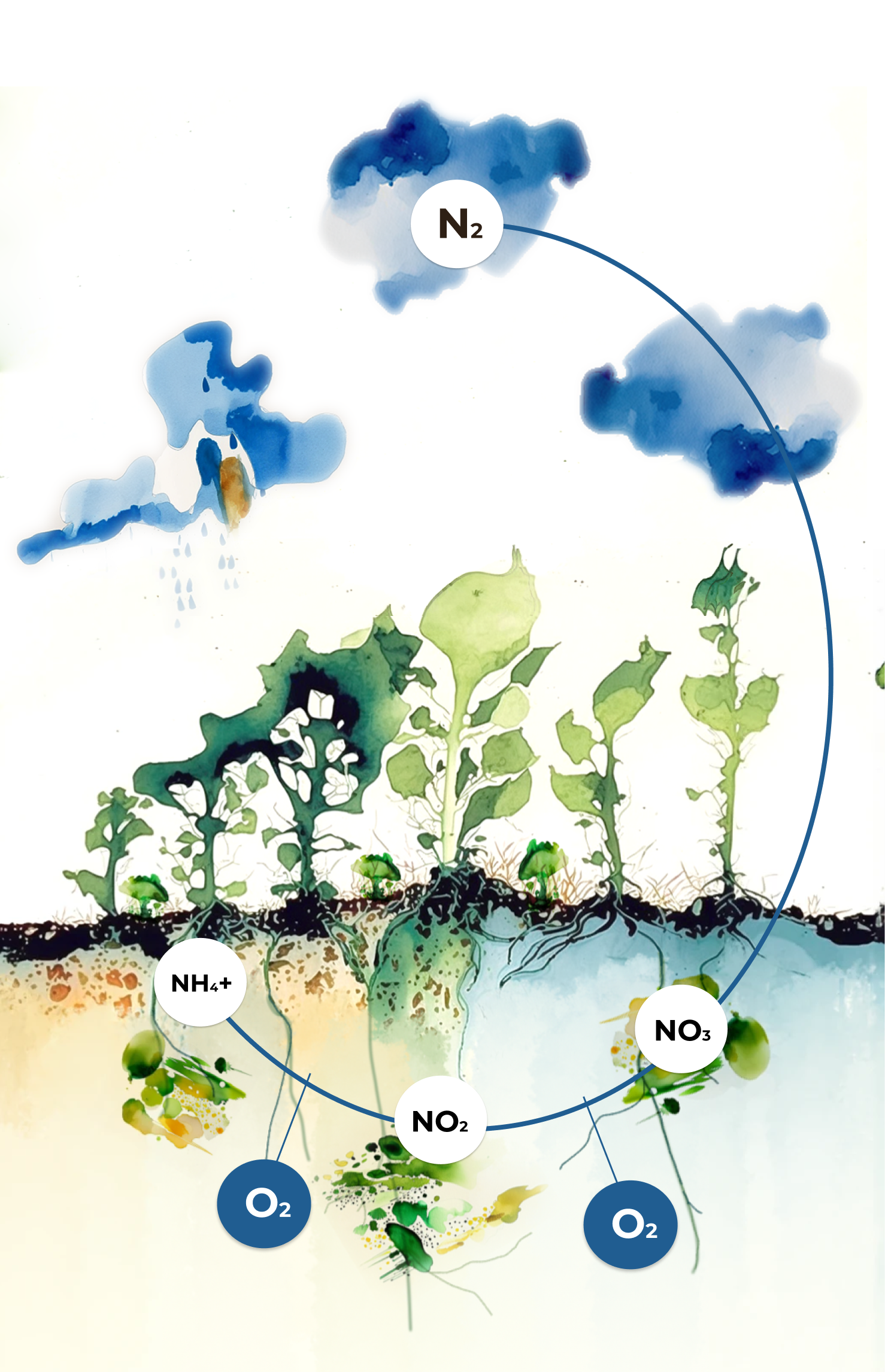
This cycle starts with nitrogen fixation - when atmospheric nitrogen, or pure nitrogen, is converted into nitrates which plants use to make proteins that are needed for their healthy growth. In nature, nitrogen fixation is done through lightning and nitrogen-fixing bacteria.
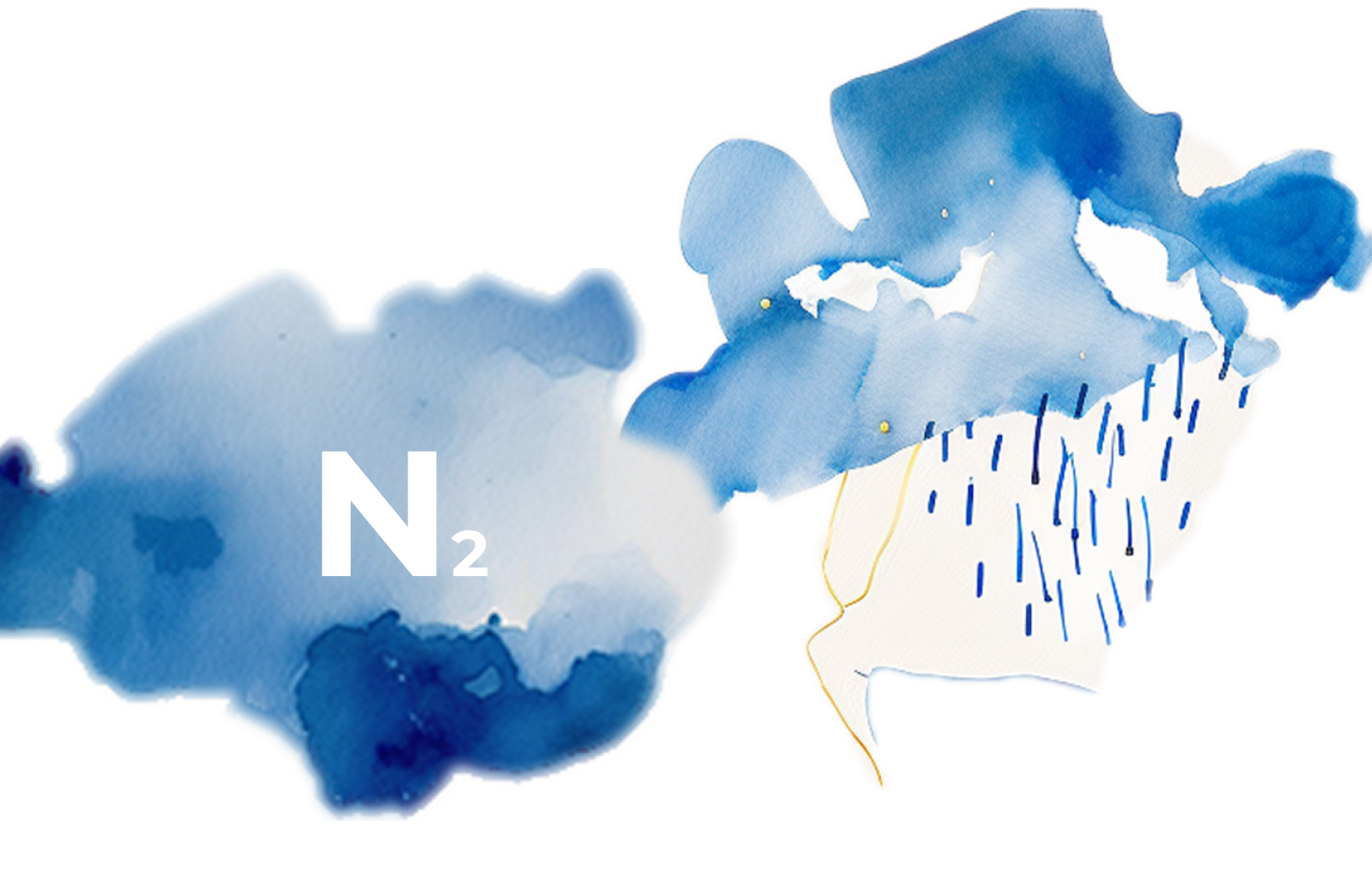
A small amount of nitrogen fixation can occur naturally through lightning which carries enough electrical energy to break apart N2 molecules, freeing up nitrogen atoms to react with oxygen to produce nitrates.
These seep into the soil in raindrops, providing plants with a form of nitrogen they can absorb via their roots. But most nitrogen fixation in nature occurs through bacteria found in soil and water, or on the roots of legumes, such as beans and peas.

Animals eat plants, getting their nitrogen from plant proteins. They pass some of it back into the soil as manure or waste. When this waste decomposes or when an animal or plant dies, nitrogen is released in the form of ammonium, which is then converted into nitrates by certain types of bacteria - a process called nitrification.

Denitrification is the last step in the nitrogen cycle. It occurs when nitrogen is restored by bacteria into its pure form and released into the air. Until a century ago, natural processes of nitrification and denitrification were fairly balanced. But today this balance has been lost, largely a result of human activity, with serious consequences for our planet.


Humanity's knowledge and understanding of nitrogen has improved rapidly over time. We have learned, for instance, how to extract nitrogen from the air and combine it with other elements such as oxygen, hydrogen and carbon into various reactive forms. These compounds were subsequently harnessed for use in industrial and agricultural activities.
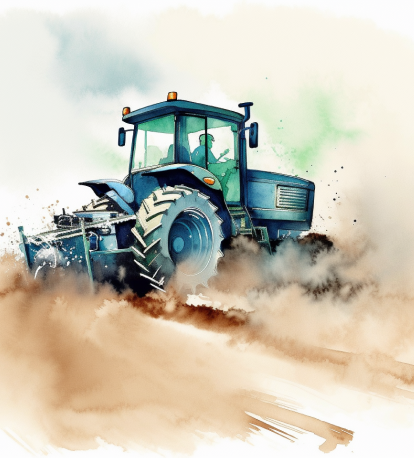
In the early 20th century, two German chemists - Fritz Haber and Carl Bosch - developed a way of converting nitrogen (N2) and hydrogen (H2) into ammonia (NH3), using high heat and pressure. Their discovery spurred the mass production of nitrogen-based fertilizers, helping to boost crop yields and sustain an expanding world population.
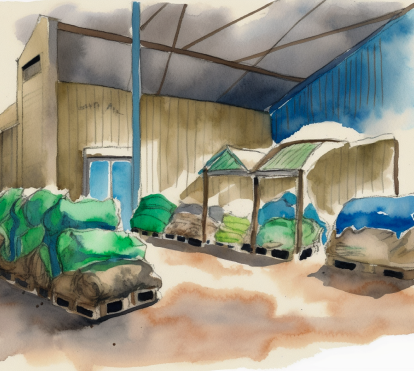
The Haber-Bosch process revolutionized farming globally, but it also marked the start of humanity's long-term interference with Earth's nitrogen balance. The amount of reactive nitrogen produced by humans is now greater than the amount created through natural processes. Humans doubled the rates of nitrogen fixation..



Nitrogen pollution contributes to the triple planetary crisis of climate change, nature and biodiversity loss, and pollution and waste.
Today, about 80 per cent of reactive nitrogen - estimated to be worth US$200 billion - is lost to the environment every year.


It is therefore critical that governments accelerate actions and legislation to significantly reduce nitrogen waste globally by 2030 and improve sustainable nitrogen management which could lead to savings of US$100 billion, while benefiting the environment, biodiversity and human health.
One of the main drivers of nitrogen pollution has been the rising consumption of nitrogen-based fertilizer, which doubled between 1978 and 2014 globally.
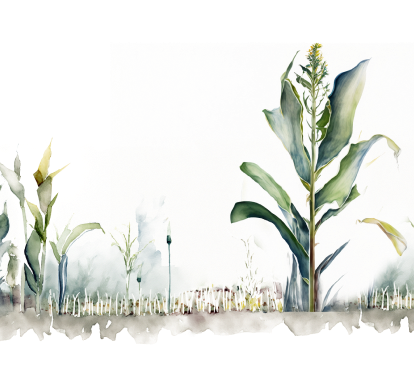

In Asia alone, this doubling happened in just 27 years, between 1987 and 2014. Today, almost half of the world's population relies on fertilizers for food production
Nitrogen pollution is also the byproduct of burning fossil fuels to meet growing demands in the agriculture, transport, industry and energy sectors.
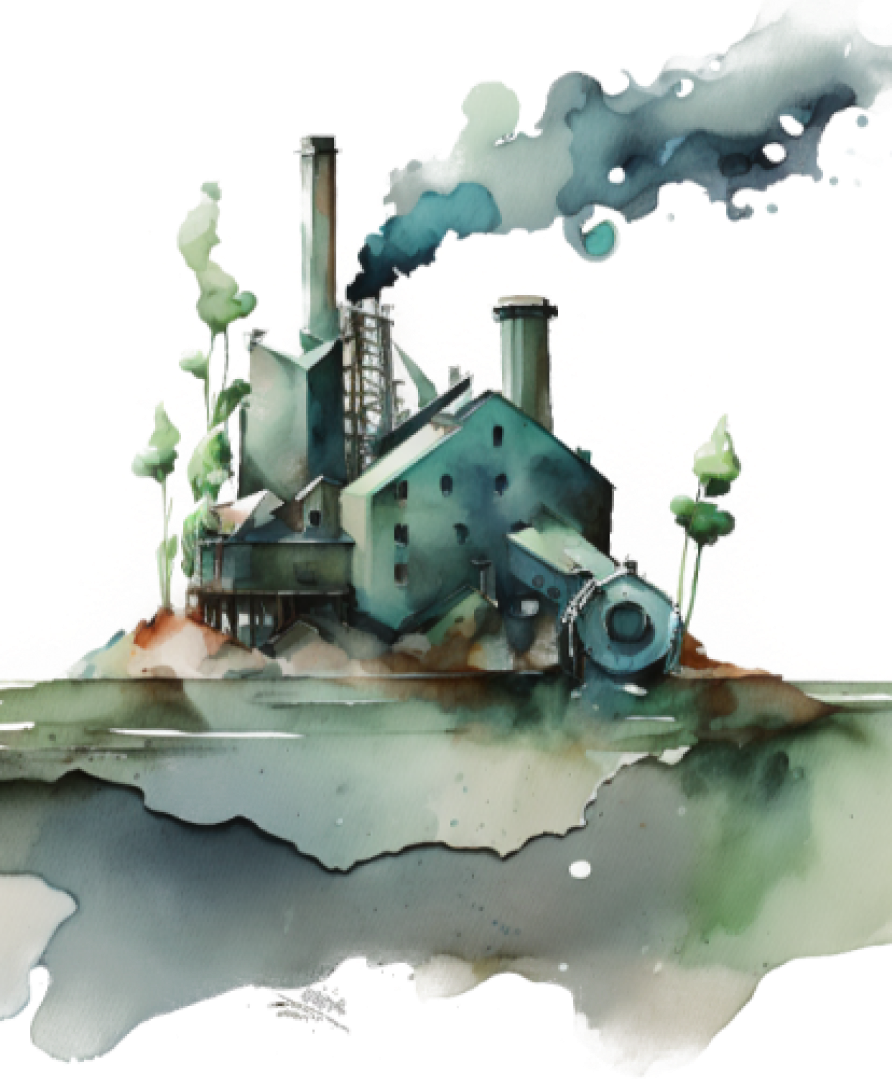

Nitrous oxide (N2O) from industry and combustion is a greenhouse gas, 300 times more powerful than carbon dioxide and has been proven to deplete the ozone layer.

Livestock waste, also contributes to nitrogen pollution. The livestock sector currently emits 65 Tg nitrogen per year, equivalent to one-third of current human-induced nitrogen emissions. Of that amount, 68% is associated with feed production.
50% of industrially produced nitrogen is applied to three major cereals:
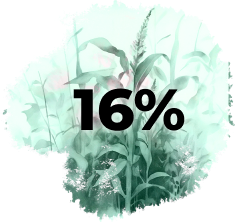
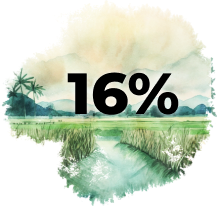
These cereals provide the bulk of human food consumed either directly as grain or indirectly through livestock products.
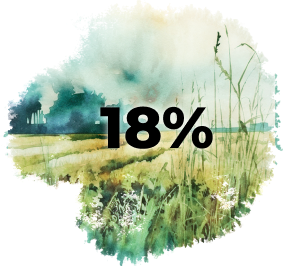
Wildfires and the burning of forests can also increase emissions of nitrogen oxide (NO), a harmful component of smog, and nitrous oxide (N2O), a potent greenhouse gas, known collectively as NOx.
Wildfire emissions of NOx account for approximately

of global NOx emissions.
Industrial and agricultural activities have more than doubled the amount of reactive nitrogen in the environment, impacting water bodies, biodiversity and humans everywhere.







Since it is not nitrogen per se but excessive reactive nitrogen that is a threat, we must urgently improve our management of the nitrogen cycle to avoid inefficiencies and waste.
Political momentum for collective action on nitrogen is increasing. The United Nations Environment Programme (UNEP), the leading environmental authority in the United Nations system, is convening stakeholders to tackle nitrogen pollution globally.
In March 2019, the United Nations Environment Assembly - the world's foremost environmental decision-making body - adopted a resolution calling for sustainable nitrogen management. In March 2022, the Environment Assembly adopted a second resolution on the topic.
Sustainable nitrogen management is needed to live in harmony with nature on a planet that is pollution-free and climate-stable. It is essential to achieving the Sustainable Development Goals and securing a cleaner, healthier environment for future generations.



The agricultural industry could:
The fertilizer industry could:
The livestock industry could: